Professional installers prevent bubbles under vinyl wraps through careful surface preparation, controlled application, and precise use of heat and pressure. The goal is to move trapped air toward an edge as the material is applied instead of correcting bubbles after bonding. For Round Rock drivers, this attention to detail can make a noticeable difference.
Preparation Comes Before the Wrap
A smooth, bubble-free finish begins with the vehicle’s paint, not the vinyl. Before installation starts, professionals inspect the paint for chips, peeling clear coat, oxidation, dents, and other imperfections that could affect adhesion or remain visible beneath the wrap. Vinyl can improve a vehicle’s appearance, but it cannot hide every underlying surface problem.
Thorough Surface Cleaning
Installers first remove dirt, grease, wax, and other contaminants from the panels. Even a tiny particle trapped underneath can create a visible bump or interfere with adhesion.
The paint may also need additional preparation around edges, seams, trim, and other areas where contamination tends to collect. Skipping this step can make an otherwise straightforward installation much more difficult.
Controlled Application Reduces Trapped Air
Once the surface is ready, installers carefully position the vinyl and use specialized squeegees to work across the panel. Rather than pressing randomly, they follow a controlled pattern that pushes air toward an exposed edge.
Heat and Stretching Matter
Vinyl wrap has flexibility, but excessive stretching can create tension that affects how the material settles. Professional installers use measured heat when necessary to help the vinyl conform to curves, contours, and recessed areas.
Too much heat or aggressive stretching can be just as problematic as insufficient pressure, so experience and technique matter.
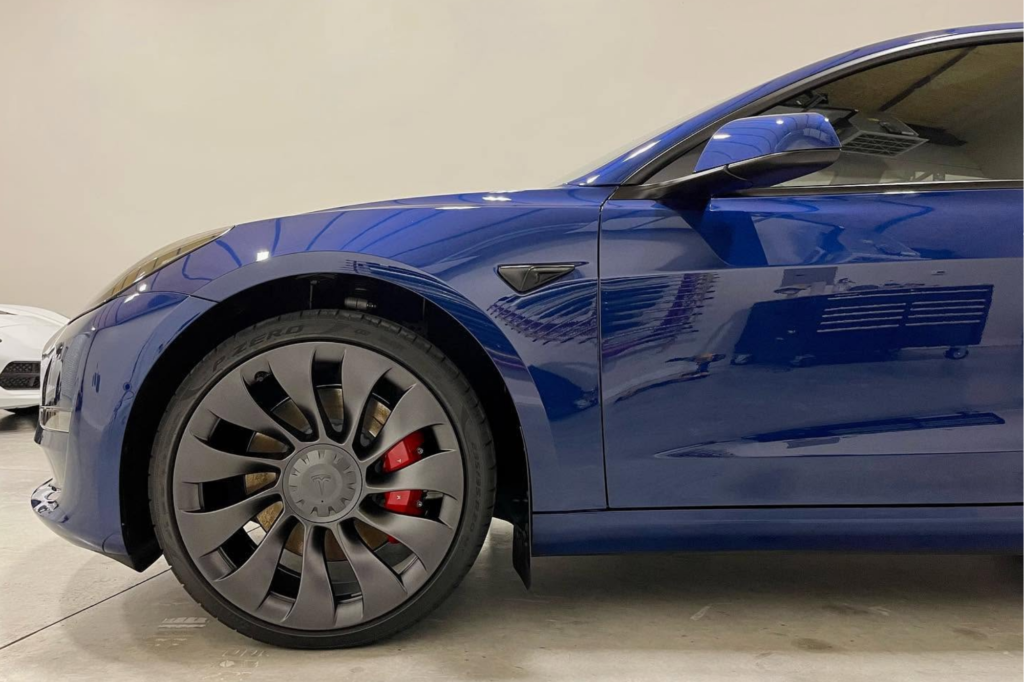
Why the Working Environment Matters
Temperature and cleanliness can influence how vinyl behaves during installation. Working in a controlled space helps reduce airborne debris while allowing the material to remain manageable.
That is particularly relevant in Round Rock, where hot conditions can affect both the vehicle’s surface temperature and the vinyl’s handling characteristics.
What Happens When a Vinyl Wrap Is Removed?
Proper installation is only part of the process. When a vinyl wrap is removed correctly, the condition of the underlying paint also matters. Properly maintained paint and controlled removal techniques can help minimize the risk of adhesive residue or surface damage.
For more insight, read How Can Vinyl Wraps Be Removed Without Damaging Properly Maintained Paint on WhirLocal to learn what responsible wrap removal involves.
Choosing Experienced Installation
For vehicle owners considering a vinyl wrap in Round Rock, Signature Auto Detailing approaches installation with attention to preparation, positioning, and finish quality. Understanding these steps helps customers recognize why professional wrapping involves considerably more than simply applying adhesive film to a vehicle.
The Takeaway
Bubble-free results come from preparation, controlled technique, proper pressure, and careful handling of the material. When each step is performed correctly, the finished wrap can sit smoothly across the vehicle’s contours.
For drivers considering a vinyl wrap, Signature Auto Detailing can help determine the right approach for the vehicle and desired finish.
Featured Place
Signature Auto Detailing, Ceramic Coating, PPF, Wraps, and Window Tint
7696 183A Toll Rd Unit 4a, Leander, TX 78641
Leander, Texas 78641
(737) 352-4035
