Paint correction can improve reflections by carefully refining surface imperfections in the clear coat rather than aggressively removing large amounts of material. Swirl marks, light scratches, oxidation, and haze can scatter reflected light, making paint appear dull. Controlled polishing can reduce surface defects and create a more uniform surface while preserving as much of the original clear coat as practical.
For drivers in Cedar Park, TX, this balance matters. Strong sunlight can make paint defects highly visible, while dust, pollen, road debris, and frequent washing can contribute to surface marring over time.
What Makes Paint Look Less Reflective?
A vehicle’s clear coat is designed to provide a smooth surface over the colored paint beneath it. When that surface develops fine scratches and other irregularities, light reflects in multiple directions instead of producing a crisp reflection.
How Polishing Improves Clarity
Paint correction uses polishing compounds and machine polishing to refine the clear coat. The process does not add paint or change its original color. Instead, it works with the finish to improve gloss, clarity, and reflection.
Why More Correction Is Not Always Better
Aggressive polishing is not automatically the right approach. Every correction process removes some clear-coat material, so the goal should be to achieve the desired improvement while preserving the remaining protective layer.
Assessing Defect Depth
Some scratches may be shallow enough to improve through polishing, while deeper defects can extend farther into the clear coat or even reach the color coat. Trying to completely remove a defect that is too deep can result in unnecessary clear-coat removal.
A measured approach focuses on what can be safely improved rather than chasing every imperfection.
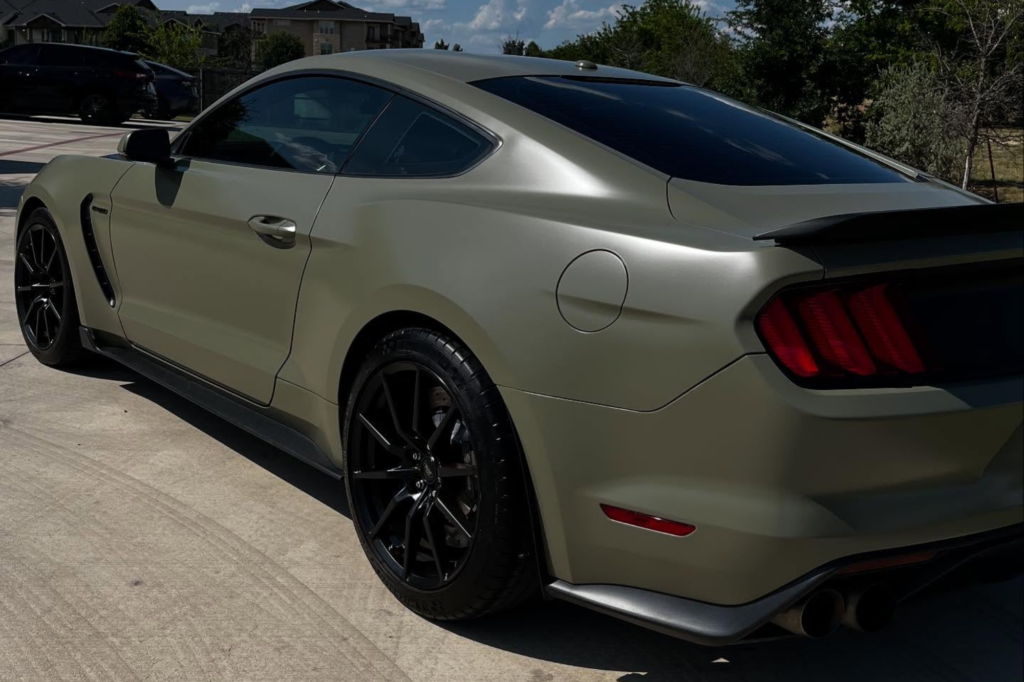
Cedar Park Conditions Can Affect Paint
Vehicles around Cedar Park encounter intense sun, dust, pollen, rain, and everyday road contamination. Improper washing can add fine marring that becomes increasingly noticeable under bright conditions.
Proper washing and drying techniques after correction can help prevent new defects from quickly diminishing the improved finish.
How Can Paint Correction Restore Gloss to Weathered Paint?
When years of sun exposure, improper washing, and surface wear make paint look dull, the loss of gloss often comes from imperfections that scatter reflected light. Understanding how controlled correction can refine these defects while preserving the existing finish can help vehicle owners set realistic expectations. Read How Can Paint Correction Restore Gloss to Dull and Weathered Paint for a closer look at how gloss can be restored without unnecessarily overworking the paint.
A Condition-Focused Approach
Signature Auto Detailing considers the condition of the existing paint when determining a correction approach. Evaluating the finish first helps establish which defects can realistically be improved without unnecessary polishing.
The Takeaway
Paint correction can sharpen reflections by refining surface defects while taking a measured approach to clear-coat preservation. The goal is not to remove every imperfection at any cost, but to improve clarity while maintaining the integrity of the existing finish.
For Cedar Park drivers considering paint correction, Signature Auto Detailing can help assess the vehicle’s paint and determine an appropriate correction process.
Featured Place
Signature Auto Detailing, Ceramic Coating, PPF, Wraps, and Window Tint
7696 183A Toll Rd Unit 4a, Leander, TX 78641
Leander, Texas 78641
(737) 352-4035