Like many other things, skin changes with age. Most people start noticing small differences at first. Maybe their skin feels drier than it used to, makeup sits a little differently, or laugh lines linger longer than they once did. Over time, those changes become easier to spot.
When you understand why your skin is changing in your 30s, 40s, and 50s, it becomes easier to choose habits, products, and support that make sense for your stage of life.
What Changes to Expect in Your 30s
Your 30s are often when early skin changes start to show up. Collagen production begins to slow, and cell turnover is not quite as quick as it was in your 20s. Skin may still look healthy and vibrant, but you might notice it doesn’t bounce back quite as fast after sun exposure, stress, or a few nights of poor sleep.
Common changes in this decade can include fine lines around the eyes, mild dryness, dullness, or uneven tone. These shifts are normal, and they are often a sign that your skin needs more consistency rather than more complexity.
This is a good time to build a strong skincare foundation if you haven’t already. Daily sunscreen, gentle cleansing, regular moisturizing, and skincare products that support hydration can go a long way. Many people also benefit from checking in with a skincare professional to make sure their routine matches their skin type and concerns.
How Skin Often Shifts in Your 40s
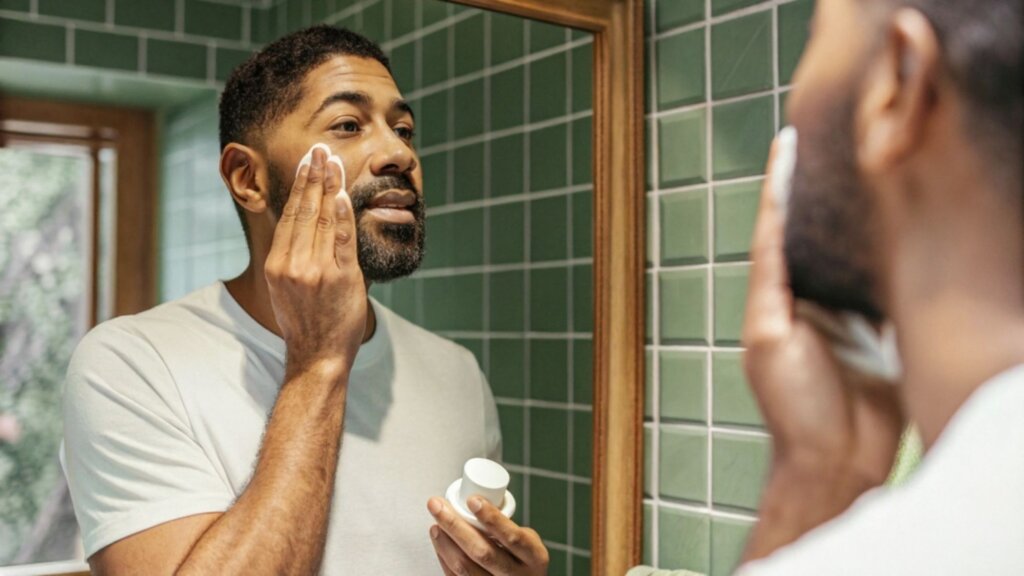
In your 40s, hormonal changes and decreased collagen production can start to affect the skin more noticeably. Oil production may also decrease, which can leave skin feeling drier. Fine lines may become more visible, and dark spots from past sun exposure can start to stand out more.
Some people also notice a gradual loss of firmness, especially around the jawline, cheeks, or under the eyes. Skin may begin to look thinner, and products that once worked well may not feel as effective anymore. Healthy habits matter even more during this stage. Hydration, sun protection, and a routine that supports the skin barrier can help keep skin more comfortable and resilient.
What Skin Health Can Look Like in Your 50s
By your 50s, skin often becomes drier, thinner, and more delicate. For many women, the drop in estrogen around and after menopause plays a major role in these changes. Collagen loss tends to become more noticeable, and skin may bruise more easily or take longer to recover. Men can also see more visible signs of skin aging during this decade, including roughness, dryness, and a continued loss of elasticity.
You may also see deeper lines, more visible sagging, and a loss of fullness in areas that once looked naturally smooth. These changes are common, but that does not mean skin cannot still look healthy, cared for, and vibrant.
At this stage, skin usually benefits from a gentler and more supportive approach. Rich moisturizers, gentle cleansers, and hydrating products that help strengthen and protect the skin barrier can make a visible difference in comfort and appearance. Healthy skin in your 50s is about helping your skin feel comfortable, cared for, and strong.
Daily Habits That Support Healthy Skin at Any Age
No matter your age, a good skincare habits can make a real impact.
Sun Protection
Sun protection remains one of the most important. Years of unprotected exposure often show up later as discoloration, fine lines, and changes in texture. Wearing sunscreen regularly and being mindful of peak sun hours can help protect the skin you have now and reduce further damage over time.
Hydration
Hydration matters too, both inside and out. Drinking enough water supports overall health, and using a moisturizer that fits your skin’s needs can help reduce dryness and irritation.
Sleep and Nutrition
Sleep also plays a bigger role than many people realize. Skin tends to look more tired, dull, or stressed when rest is inconsistent. The same goes for nutrition. A balanced diet with foods rich in antioxidants, healthy fats, and vitamins can support the skin along with the rest of the body.
When Professional Support Can Be Helpful
There is a difference between normal age-related change and skin concerns that deserve a closer look. If your skin feels more reactive than usual, changes quickly, or develops areas that worry you, it may be worth talking with a qualified healthcare provider.
A dermatologist, cosmetic surgeon, med spa professional, or other trained skincare expert can help you understand what is happening and which next steps make sense. Sometimes the best guidance is not about doing more, but instead about doing the right things for your skin and skipping what may cause irritation or frustration.
Love the Skin You’re In
Your skin in your 30s, 40s, and 50s will not look exactly the same, and that is completely normal. Some changes happen gradually. Others feel more noticeable. Either way, having healthy skin is not about stopping time; it’s about understanding what your skin needs as the years go by.
With healthy habits, realistic expectations, and the right professional support, your skin can continue to look healthy and well cared for through every stage.