Fine line tattoos have become incredibly popular, and it is easy to see why. When done professionally, they can look clean, subtle, detailed, and beautifully understated. For many people, they feel like the perfect choice for a first tattoo or a more delicate design.
But fine line work is not just a smaller version of any other tattoo style. It comes with its own considerations, and it helps to understand those before you book. Clarifying expectations beforehand can make a big difference in both the design process and the long-term result.
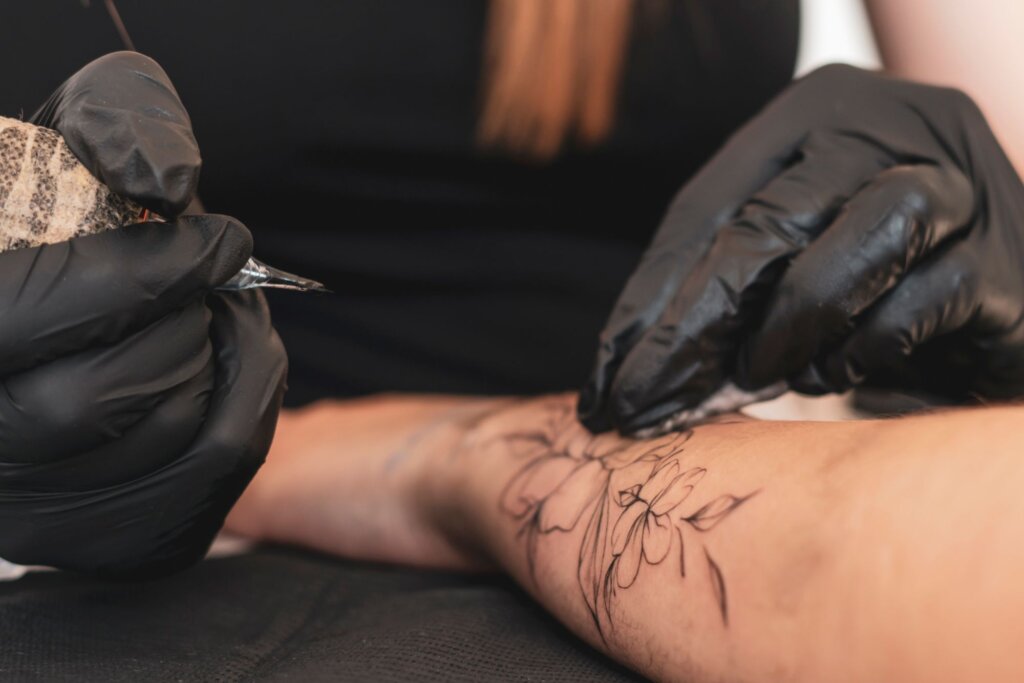
Fine Line Tattoos Depend Heavily on Technique
Because the lines are thinner and more delicate, fine line tattoos leave less room for error. Small inconsistencies can show more easily, and the design typically depends on careful execution from the start. This doesn’t mean fine line tattoos are fragile by definition, but it means the artist’s experience with that style is important. A design that looks simple and clean on paper will still require a high level of precision on skin. Look through your artist’s portfolio before booking an appointment to make sure they have experience with the fine line style.
Not Every Design is Meant for Fine Line
Some ideas translate beautifully into fine line work. Others lose too much when they’re simplified. Tiny text, very dense detail, and overly intricate concepts may not age as well or read as clearly as people expect.
This is one reason why having a consultation is important. An experienced fine line artist can guide the design toward something that still captures the look you want while working well with the limits of the style.
Placement Matters More Than Many People Realize
Where you place a fine line tattoo can affect how it holds up over time. Areas with a lot of friction, movement, or sun exposure can cause delicate lines to soften faster. Hands, fingers, feet, and other high-contact areas are often more challenging when it comes to crisp, subtle detail.
This doesn’t automatically mean those placements are off-limits, but clients should understand what those choices might mean for longevity and future touch-ups.
Fine Line Tattoos Can Age Differently
One of the biggest questions clients have is, “How do fine line tattoos age?” The answer depends on the design, placement, skin, aftercare, and how the tattoo was done in the first place.
Like any tattoo, some natural softening over time is normal. When the lines are thinner, that softening can be more noticeable than some other tattoo styles. The goal isn’t to make a tattoo stay frozen in time, but to design it well from the beginning so it still looks strong and intentional as it settles and ages.
Simpler Can Be Smarter
Many people are drawn to fine line tattoos because they look subtle, clean, and minimal. In a lot of cases, that style works best when the design stays thoughtful and uncluttered. Trying to squeeze too much detail into a small piece can lead to disappointment when the tattoo settles into your skin. Look up photos of healed fine line tattoos to get a better idea of what certain designs look like over time.
Ask Questions Before You Book
If you are considering a fine line tattoo, it helps to ask a few important questions before your appointment. Does the artist regularly do fine line work? Is the design sized appropriately for the detail you want? What does the artist recommend for placement? What should you realistically expect as the tattoo heals and ages?
Questions like these help set the right expectations.
Final Thoughts
Fine line tattoos can be beautiful, meaningful, and incredibly well done when the design, placement, and technique all work together. They are just a style that benefits from thoughtful planning. The more you understand before booking, the more likely you are to end up with a tattoo that feels just as right on your body as it did in your head.